


 Platin Plaza, Yenimahalle, Emek Cd. No:61 Kat:4, 55080 Canik/Samsun

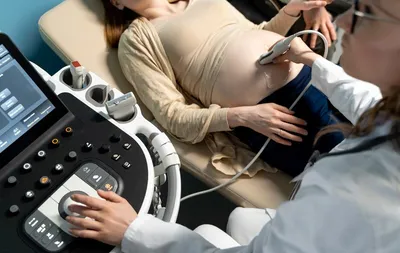
Pregnancy Monitoring and Childbirth
Information on the stages of antenatal care, routine check-ups and screening tests, how the mode of delivery…
Op. Dr. Aysın Akçay
Evidence-based information on antenatal care, gynaecological examination, menopause and women’s health. Samsun, Canik.



About Me
A graduate of Hacettepe University Faculty of Medicine, Op. Dr. Aysın Akçay completed her specialty training in obstetrics and gynaecology at Ankara Zübeyde Hanım Maternity Hospital. She has worked in public and private hospitals in Samsun since 1995 and has practised at her office in Canik since 2024.
Areas of Expertise
Each page explains what the topic is, how the assessment is carried out, and the level of evidence and limitations of the options, based on current guidelines. The content is for information only and does not replace examination and medical advice.
Information on the stages of antenatal care, routine check-ups and screening tests, how the mode of delivery…

Balanced information on menopausal symptoms, recommended follow-up and screening, menopausal hormone therapy…

What a routine gynaecological examination involves, smear and HPV screening, ultrasound assessment and…

Balanced information on the definition of vaginismus, its possible causes, the diagnostic process and the…

Balanced information on where lasers are used in gynaecology, the level of scientific evidence, limitations…

Balanced information on the medical grounds, decision process, risks and limitations of labiaplasty and other…

Evidence-based information on the role of nutrition, sleep, stress and metabolic health in the assessment of…
Common Questions
Short answers to the most common questions on gynaecology, antenatal care, birth and menopause. All answers are general information; your individual situation requires medical assessment.


A yearly gynaecological assessment is advised from the start of sexual activity or from the age of 21, even without complaints. Symptoms such as irregular periods, pain or discharge should be assessed regardless of age.
A first assessment is advised ideally between weeks 6 and 8 of pregnancy. It confirms that the pregnancy is inside the uterus, establishes the gestational age and sets the follow-up plan. Bleeding or severe pain should be assessed without delay.
Cycles consistently shorter than 21 or longer than 38 days, no period for more than three months, bleeding that requires changing a pad every hour, bleeding between periods and bleeding after menopause all need assessment. Causes include hormonal disorders, polycystic ovary syndrome, thyroid disease and structural conditions of the uterus.
Smear and HPV tests detect cervical cell changes that could lead to cervical cancer and high-risk HPV types before symptoms appear. The national screening programme recommends an HPV test every five years between the ages of 30 and 65.
A marked change in the colour, odour or consistency of discharge, itching, burning, and pain during intercourse or urination may be signs of a vaginal infection. Because the symptoms overlap, an examination is needed for diagnosis; self-medication is not advised.
You can send your questions through the form. The form is used for contact purposes only; in an emergency call 112 or go to the nearest healthcare facility.

Blog
Evidence-based, informational articles on gynaecology, pregnancy and birth.

Symptoms, causes, diagnostic methods and prevention of bacterial vaginosis, vaginal yeast infection and…

The normal limits of the menstrual cycle, common causes of irregularity, when to see a physician and how the…

How human papillomavirus is transmitted, its symptoms, smear and HPV testing, the screening programme…