


 Platin Plaza, Yenimahalle, Emek Cd. No:61 Kat:4, 55080 Canik/Samsun


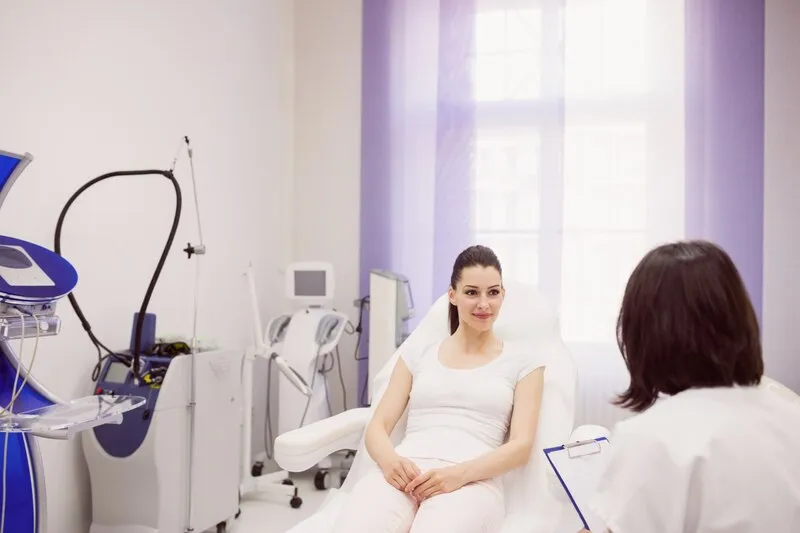
Holistic assessment means considering gynaecological complaints not only in relation to the reproductive organs, but together with factors such as nutrition, sleep, stress, physical activity and metabolic health.
What does holistic assessment mean?
Many gynaecological conditions, such as menstrual irregularity, polycystic ovary syndrome (PCOS), menopausal symptoms or chronic pelvic pain, are influenced by metabolic health, body weight, sleep, stress and daily habits as well as by the hormonal system. A holistic approach does not replace standard medical assessment and treatment; it adds a systematic review of lifestyle factors alongside them.
Where do lifestyle factors matter most?
- PCOS: the International PCOS Guideline (2023) defines nutrition and regular physical activity as first-line management for insulin resistance and weight.
- Menstrual irregularity: rapid weight change, excessive exercise, sleep disorders and intense stress can affect the cycle.
- Menopause: regular exercise, adequate calcium and vitamin D and smoking cessation support bone and cardiovascular health.
- Planning a pregnancy: folic acid, a healthy weight range, avoiding smoking and alcohol and control of chronic conditions are the basic steps recommended before conception.
How is the assessment carried out?
The assessment includes a detailed history, gynaecological examination and the necessary laboratory and imaging tests, together with a review of dietary habits, sleep pattern, physical activity and sources of stress. Where appropriate, collaboration with a dietitian, endocrinologist or mental health professional is arranged.
Evidence-based limits
Lifestyle changes contribute to relief of symptoms in many situations, but it cannot be claimed that they remove the “root cause” of every disease or replace medication and surgery. Dietary supplements, detox programmes and non-standard tests whose efficacy has not been scientifically demonstrated are not recommended in clinical guidelines. Consult a physician before starting any supplement or diet programme.
General recommendations
- A diet based on vegetables, fruit, whole grains and legumes, with limited processed food
- At least 150 minutes of moderate physical activity per week
- Regular sleep and stress management
- No smoking, limited alcohol
- Keeping to the recommended screening and check-up schedule
Frequently asked questions
Are hormone tests required at every visit?
Which tests are needed depends on the complaint and examination findings. Broad hormone panels are not routinely recommended in the absence of symptoms.
Are supplements necessary?
Apart from specific situations such as folic acid (when planning pregnancy), vitamin D (when deficient) and iron (anaemia), the need for supplements is individual and is determined by the physician.
Sources
- International Evidence-based Guideline for the Assessment and Management of PCOS (2023)
- World Health Organization, physical activity and healthy diet recommendations
- ACOG Committee Opinion No. 762, Prepregnancy Counseling